

 By
By After a brief rise in night time temperatures, Delhi is bracing for another phase of near cold wave conditions in the coming days. The minimum or night time temperature in the capital rapidly fell between November 16 and November 24, reaching up to 6.3 degrees Celsius and marking a 17-year low for the current month.
Over the past two days, the minimum temperature has risen by close to four degrees, up to 10.4 degrees Celsius, but a forecast from the India Meteorological Department (IMD) shows it is expected to fall again.
What is causing the dip in temperature?
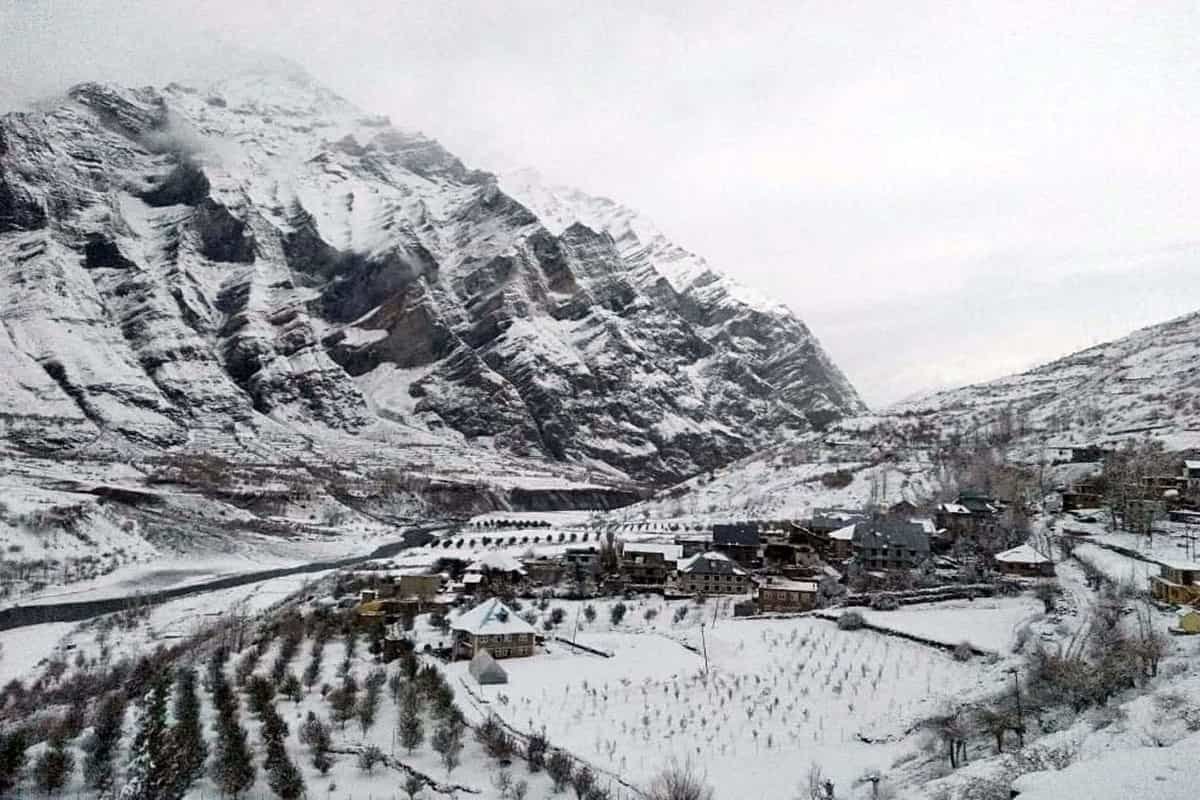
One of the main reasons is snowfall in high altitude areas north of Delhi, including places in Jammu and Kashmir, Himachal Pradesh, and Uttarakhand. Cold winds blowing from these areas lower temperature across northwest India every winter, including Delhi.
Snowfall has occurred frequently in high altitude areas since November 15 this year, which explains the drop in minimum temperature in Delhi in the following days.
This snowfall occurred under the influence of a Western Disturbance — an extra-tropical storm associated with rainfall, fog and snow in northern India — which also brought sudden showers and cloudy skies to Delhi on November 15.
When skies are cloudy, there is comparatively less solar radiation during day time, which lowers maximum temperatures.
This is also clear by the sudden three-degree drop in maximum temperature in Delhi on November 17 and 18, from 29.1 degrees Celsius to 26 degrees Celsius.
However, cloudy skies increase the minimum or night time temperature as they hinder radiation from earth to the atmosphere at night.
Clear skies have the opposite effect, which can be noted in the gradual reduction in minimum temperature recorded in Delhi after November 16 as the cloud cover moved away — from 16 degrees Celsius to 6.3 degrees Celsius on November 23, which was five degrees below normal for this time of the year